Vitamin E is a family of fat soluble antioxidants that protect cell membranes from everyday oxidative wear. The label term that matters most is whether the product uses the natural form or the synthetic one, because the natural form is noticeably more active unit for unit. Beyond that single detail, most people who eat nuts, seeds and vegetable oils already get enough, which makes the high dose tablet one of the most over sold products on the shelf.
What vitamin E does
Vitamin E sits in the fatty parts of cells and helps shield them from oxidative damage, working as one part of the body’s antioxidant network rather than alone. It also plays a role in immune function and in keeping blood vessels healthy. Outright deficiency is uncommon in healthy people eating a normal diet, and it usually shows up only in those who cannot absorb fat properly because of a medical condition. That rarity is part of why routine high dose supplements have struggled to prove broad benefits in research.
Natural versus synthetic on the label
The most useful thing you can learn to spot is a tiny prefix.
- d alpha tocopherol is the natural form and the more potent one.
- dl alpha tocopherol is synthetic, cheaper and less active per milligram, so you need more of it for the same effect.
- Mixed tocopherols aim to mimic the spread of forms found in real food, which some people prefer.
That small “d” versus “dl” is easy to miss, yet it tells you which form you are buying and roughly how much real activity comes with it. Labels may show the amount in milligrams or in older international units, and the conversion differs between the natural and synthetic forms, which is one more reason to read carefully.
Food first, as usual
Vitamin E is one of the easiest nutrients to get from a normal diet.
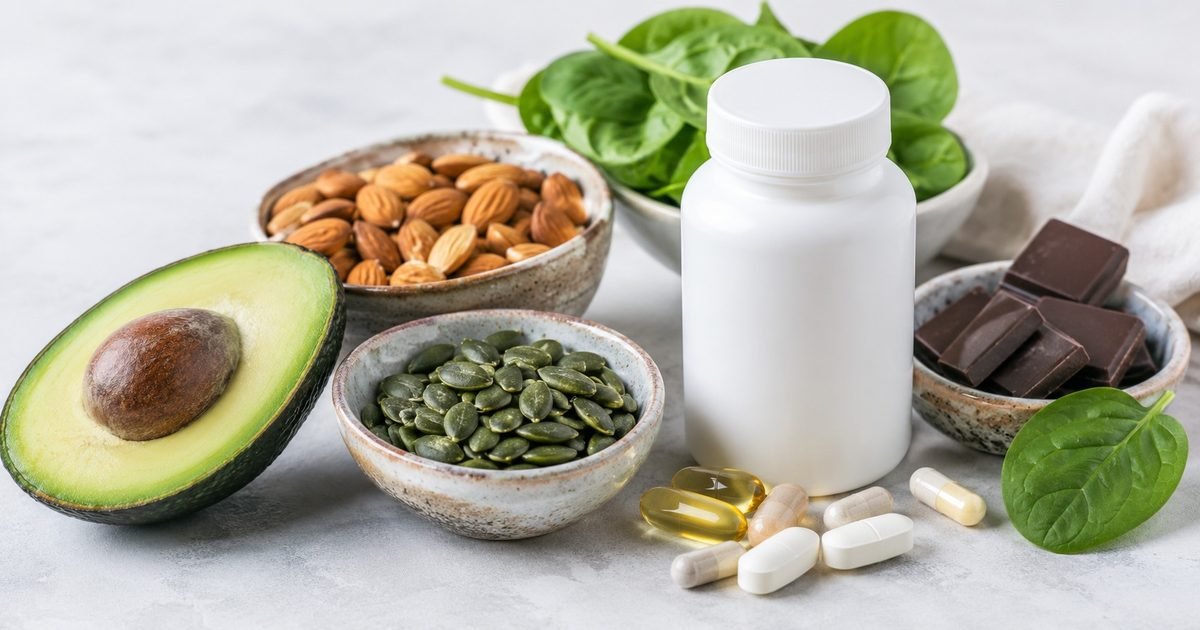
- Sunflower seeds and almonds, among the richest everyday sources.
- Hazelnuts and peanuts.
- Vegetable oils such as sunflower, safflower and wheat germ oil.
- Avocado and leafy greens, in smaller amounts.
Because vitamin E is fat soluble, these foods deliver it in exactly the company it needs to absorb well. A daily handful of seeds or nuts does more reliable work than most people expect.
When to be cautious
High dose vitamin E is not the harmless tonic it looks like. It can thin the blood slightly, which matters if you take an anticoagulant medicine or face surgery, so it belongs on the list you give a surgeon. Large trials of high dose vitamin E have generally failed to show the broad protective benefits the marketing implies, and a few raised safety questions at high doses. For general health, food and a modest amount cover it, and a large standalone dose is rarely the upgrade the label suggests.
Who might genuinely need a supplement
The clearest case is people who cannot absorb fat well, because of conditions affecting the pancreas, liver or gut, since they can become deficient and may need a supervised supplement. Premature infants are another group managed by specialists. For the healthy general population eating a varied diet, a dedicated vitamin E supplement is seldom necessary.
How much you need
Adults need a fairly small daily amount of vitamin E, and a handful of nuts or seeds, or normal use of vegetable oils in cooking, goes a long way toward it. Because the vitamin is so widespread in fatty plant foods, most people who eat a reasonably varied diet reach their target without thinking about it. The upper limit becomes relevant only with concentrated supplements, since you cannot realistically overdose on vitamin E from food. When you do read a label, remember that the amount and the form travel together: the same number means more real activity in the natural d alpha form than in the synthetic dl alpha form, so compare carefully rather than by the headline figure alone.
Vitamin E in skincare versus the diet
Vitamin E appears on countless skin creams and serums, where it works as an antioxidant that helps protect product oils and may soothe the skin surface. That topical role is separate from what an oral supplement does inside the body, and the marketing often blurs the two. Eating enough vitamin E supports skin health as part of overall nutrition, but swallowing high doses has not been shown to transform skin in well nourished people. If skin is your goal, sun protection, not smoking and a balanced diet do more than a high dose capsule. Treat dramatic before and after promises tied to oral vitamin E with the same caution you would give any sweeping beauty claim.
Vitamin E works as part of a team
One reason isolated high dose vitamin E disappoints in trials is that antioxidants do not work alone in the body. They operate as a relay. When vitamin E neutralises a damaging molecule in a cell membrane, it becomes spent, and other antioxidants such as vitamin C help regenerate it so it can work again. Flooding the system with a single antioxidant, far out of proportion to the others, does not strengthen that relay and can unbalance it. This is the deeper reason nutrition scientists keep pointing back to whole foods, which deliver vitamin E alongside the supporting cast of nutrients it cooperates with, rather than to a lone megadose. A plate with nuts, seeds, vegetables and good oils supplies the whole team in sensible proportion.
Frequently asked questions
What is the difference between natural and synthetic vitamin E?
Natural vitamin E is labelled d alpha tocopherol and is more active per milligram. Synthetic vitamin E is labelled dl alpha tocopherol, costs less and is less potent, so you need more for the same effect.
Do I need a vitamin E supplement?
Most people who eat nuts, seeds and vegetable oils get enough from food. Supplements are mainly useful for people who cannot absorb fat properly, which is a medical situation.
Can vitamin E thin the blood?
High doses can have a mild blood thinning effect, which matters if you take anticoagulant medicine or have surgery planned. Mention it to your doctor in those cases.
Does vitamin E improve skin and hair?
It is a popular claim, and vitamin E is found in many skin products, but strong evidence that oral high doses noticeably improve skin or hair in well nourished people is limited. A balanced diet matters more.
Is it better to take vitamin E with food?
Yes. As a fat soluble vitamin, it absorbs better with a meal that contains some fat, so pair it with food rather than taking it on an empty stomach.
Related reading
- Water Soluble and Fat Soluble Vitamins Explained
- Understanding Combination Antioxidant Formulas
- Supplement and Medicine Interactions: A Practical Checklist
Sources and further reading
If you take blood thinning medicine or have surgery planned, vitamin E is worth raising with your doctor. This article gives general information, not personal medical advice.

Adreama Biotech
The Adreama Biotech editorial team prepares clear product and nutrition education using supplied labels, authoritative public health sources and a safety first review process.
View all articles