Vitamin B12 keeps nerves healthy and helps the body make red blood cells and DNA. It occurs naturally only in animal foods, which puts vegans, many vegetarians and a large share of older adults at real risk of falling short, wherever they live. If you read one nutrient label closely in your whole cupboard, B12 deserves the attention, because a quiet shortfall can cause damage that is hard to reverse.
What B12 does in the body
B12 sits behind several jobs that keep you functioning. It helps build the protective sheath around nerves, so a shortfall can show up as tingling, numbness or balance problems. It works with folate to make healthy red blood cells, so a deficiency can cause a particular anaemia that leaves people tired and breathless. It also takes part in making DNA and in the chemistry of mood and memory. Because the symptoms are broad and slow to appear, people often miss them for a long time.
Where it comes from
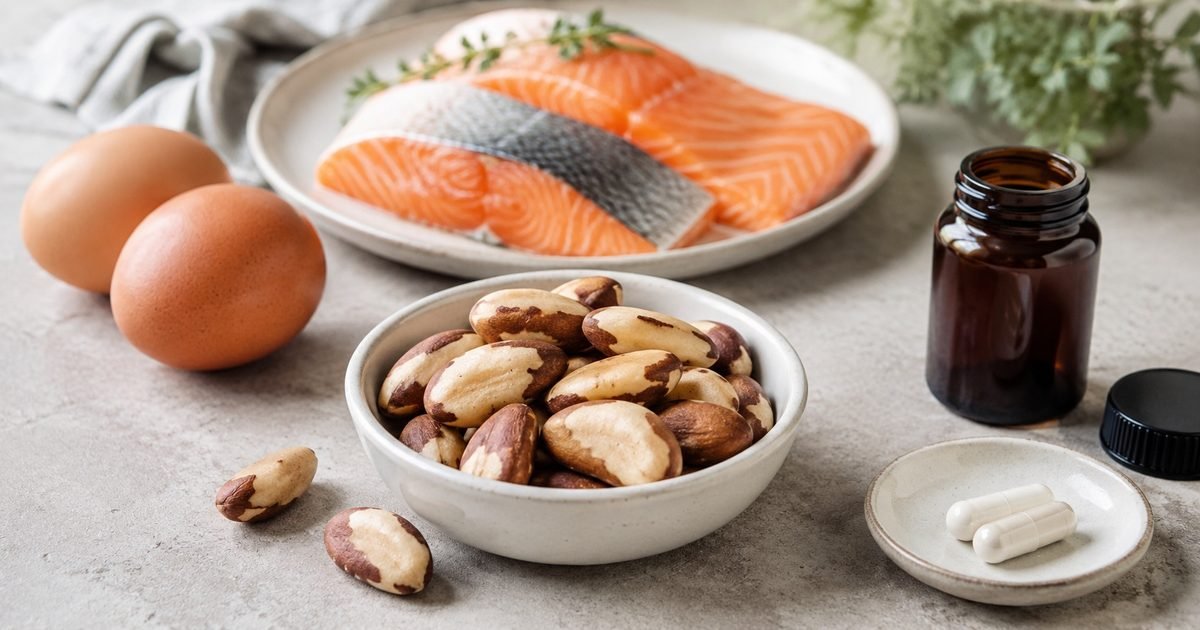
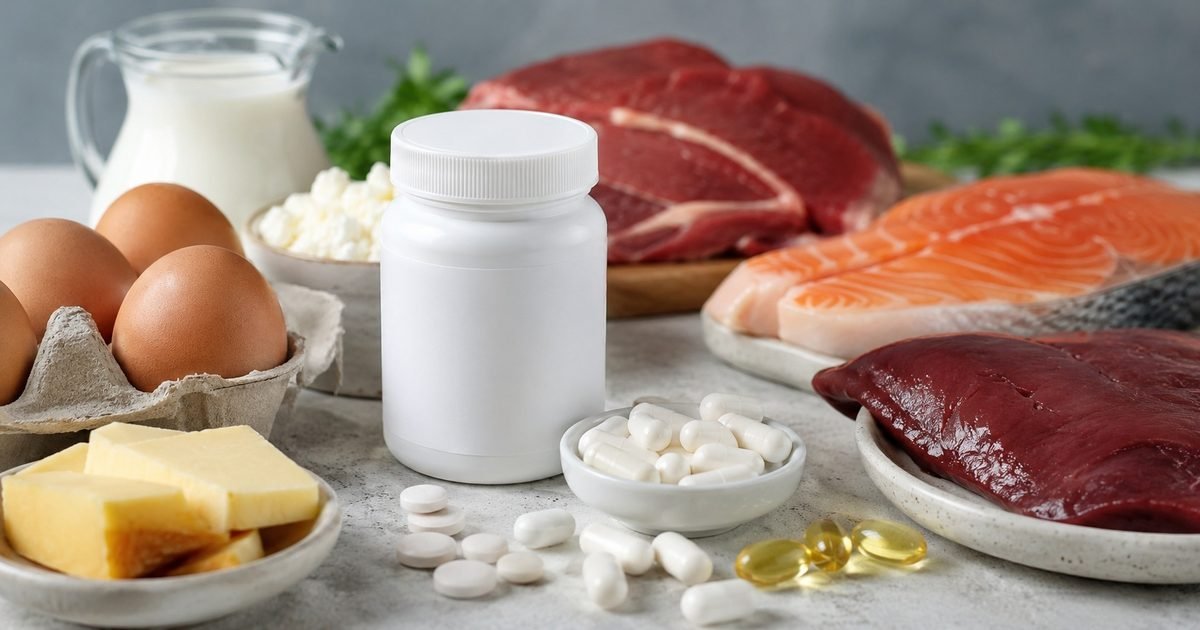
Meat, fish, shellfish, eggs and dairy carry B12 naturally, and liver is especially rich. Plant foods do not contain it in a usable form unless a maker has added it. People who eat little or no animal food rely on fortified foods, such as some plant milks, breakfast cereals and yeast products, or on a supplement.
One common trap deserves a clear warning. Spirulina, certain algae and some fermented foods list a B12 like compound that the body cannot actually use, and which may even interfere with the real thing. These do not count as a reliable source, so do not rely on them to cover your needs.
The forms on a label
Two names show up most often, and both work for general use.
- Cyanocobalamin: stable, well studied and inexpensive, the form in most everyday supplements and the one used in much of the research.
- Methylcobalamin: an already active form some people prefer, though for most users the practical difference is small.
You will also see sublingual tablets and sprays marketed as better absorbed than swallowed tablets. For most people the evidence does not show a clear advantage, since the body handles the dose either way, so choose on cost and preference.
Who is most at risk of running low
- Vegans and many vegetarians, because their diet lacks natural B12.
- Older adults, who often lose the stomach acid needed to free B12 from food.
- People on long term acid reducing medicines, which lower the acid that releases B12.
- People taking metformin for a long time, which can reduce B12 absorption.
- Anyone with a gut condition or surgery that affects absorption, such as coeliac disease or weight loss surgery.
Why older adults need to pay attention
Age changes the picture in a way that surprises people. Many adults over 50 produce less stomach acid, and acid is what frees B12 from the protein in food. They can eat plenty of meat and dairy on paper and still absorb too little. The B12 added to fortified foods and supplements does not depend on that step, so it often suits older adults better than relying on food alone. This is why some guidance suggests older adults get much of their B12 from fortified foods or a supplement.
Signs worth taking seriously
A shortfall builds slowly and quietly. Persistent tiredness, pins and needles in the hands or feet, a sore or smooth tongue, memory fog, low mood and balance trouble can all feature. Every one of these has many possible causes, so they do not prove a B12 problem on their own. They point firmly toward a doctor and a blood test, not toward guesswork with high dose pills, because untreated nerve damage can become permanent and because the right treatment depends on the cause.
Reading the dose sensibly
B12 supplements frequently list amounts far above daily needs, sometimes hundreds or thousands of times the reference value. This looks alarming but reflects how B12 absorption works: the body takes up only a small, capped share through its main route, then absorbs a tiny extra fraction by simple diffusion when the dose is large. A very high number on the front is therefore not a danger flag the way it would be for vitamin A, and B12 has no established upper limit for healthy people. What matters is a steady, reliable source, not a dramatic figure.
How a deficiency is found and fixed
Because the symptoms overlap with so many other conditions, a doctor confirms a B12 problem with a blood test rather than from guesswork. If levels look low, they may check related markers and look for a cause, since the treatment depends on why you are short. Someone who simply lacks B12 in their diet, such as a vegan, can often correct it with oral supplements or fortified foods. Someone who cannot absorb it properly, because of low stomach acid, a gut condition or an autoimmune problem, may need higher oral doses or injections that bypass the absorption step. This is exactly why self treating a suspected deficiency is a poor idea: the right fix hinges on the cause, and masking the blood signs with high dose pills can let nerve damage advance unseen. If you suspect a shortfall, the useful first move is a conversation with a doctor, not a bigger bottle.
Frequently asked questions
Can I get enough B12 from plants?
Not from natural plant foods, which lack a usable form. Vegans need fortified foods or a supplement to get a reliable supply, and should not rely on spirulina or algae.
Is methylcobalamin better than cyanocobalamin?
For most people the difference is small. Cyanocobalamin is stable, cheap and well studied. Methylcobalamin is an active form some prefer. Both raise B12 levels effectively.
Do I need B12 injections or will tablets work?
Tablets work well for most people, even at higher doses, because the body absorbs a little extra by diffusion. Injections are used when absorption is badly impaired or a deficiency is severe, which is a decision for a doctor.
Why is the percentage on my B12 supplement so high?
Because the body absorbs only a small share of each dose, makers use large amounts so that enough gets through. The high percentage is normal and not a safety concern for healthy people.
Can a B12 deficiency be reversed?
Caught early, yes, often fully. Left untreated for a long time, some nerve damage can become permanent, which is why testing and treating it promptly matters.
How often should vegans check their B12?
Vegans who use a reliable supplement or fortified foods usually stay fine, but an occasional blood test, especially if symptoms appear, gives peace of mind. Discuss a sensible interval with your doctor.
Does cooking destroy the B12 in food?
Some B12 is lost with prolonged high heat, but normal cooking leaves most of it intact. The bigger issue for many people is absorption rather than cooking losses.
Related reading
- Folate and Folic Acid: Understanding the Difference
- Water Soluble and Fat Soluble Vitamins Explained
- Vitamin C: Roles, Sources and Supplement Labels
Sources and further reading
Ongoing tiredness, numbness or tingling can have many causes and deserve a proper assessment. Use this as general information, and ask a doctor for a blood test rather than self treating a suspected deficiency.

Adreama Biotech
The Adreama Biotech editorial team prepares clear product and nutrition education using supplied labels, authoritative public health sources and a safety first review process.
View all articles