Folate and folic acid refer to the same B vitamin in different clothing. Folate is the form found naturally in food, while folic acid is the synthetic version added to fortified foods and most supplements. The body uses both, yet they behave differently enough that the distinction matters, above all before and during pregnancy, when getting enough early protects a developing baby in ways that come too late if you wait.
What folate does in the body
Folate drives the making of DNA and the division of cells, which is why the need for it climbs whenever the body builds new tissue quickly. It works hand in hand with vitamin B12 to produce healthy red blood cells, so a shortfall of either can cause a particular anaemia that leaves people tired and short of breath. Folate also helps process an amino acid called homocysteine. Above all, in the earliest weeks of pregnancy it supports the proper closing of the neural tube, the structure that becomes the baby’s brain and spine.
The same vitamin, three names on labels
Walk down a supplement aisle anywhere in the world and you will meet three terms.
- Folate: the natural form in food, found in leafy greens, legumes, citrus and liver.
- Folic acid: the stable synthetic form that absorbs very efficiently, which is exactly why public health programmes chose it for fortification and why it dominates supplement labels.
- Methylfolate: an already active form, sold as skipping one conversion step the body otherwise performs. It costs more and suits some people, though for most users the practical difference is modest.
Why pregnancy raises the stakes
The neural tube closes within roughly the first month of pregnancy, often before a woman even knows she has conceived. Adequate folate during that narrow window lowers the risk of serious defects such as spina bifida. Because the critical period passes so early, health authorities across the world advise anyone who might become pregnant to get a reliable daily amount in advance rather than waiting for a positive test. This is one of the clearest, best supported cases for a supplement in all of nutrition.
Fortification differs from country to country
Where you live shapes your background intake more than most people realise. Some countries add folic acid to flour, bread or other staples by law, which raises the average intake across the whole population and has measurably reduced neural tube defects. Other countries leave fortification to individual products and personal choice, so a similar diet can deliver quite different amounts depending on the food supply. If you live somewhere without mandatory fortification, a deliberate folate source matters even more when you are planning a pregnancy.
Food sources to build on
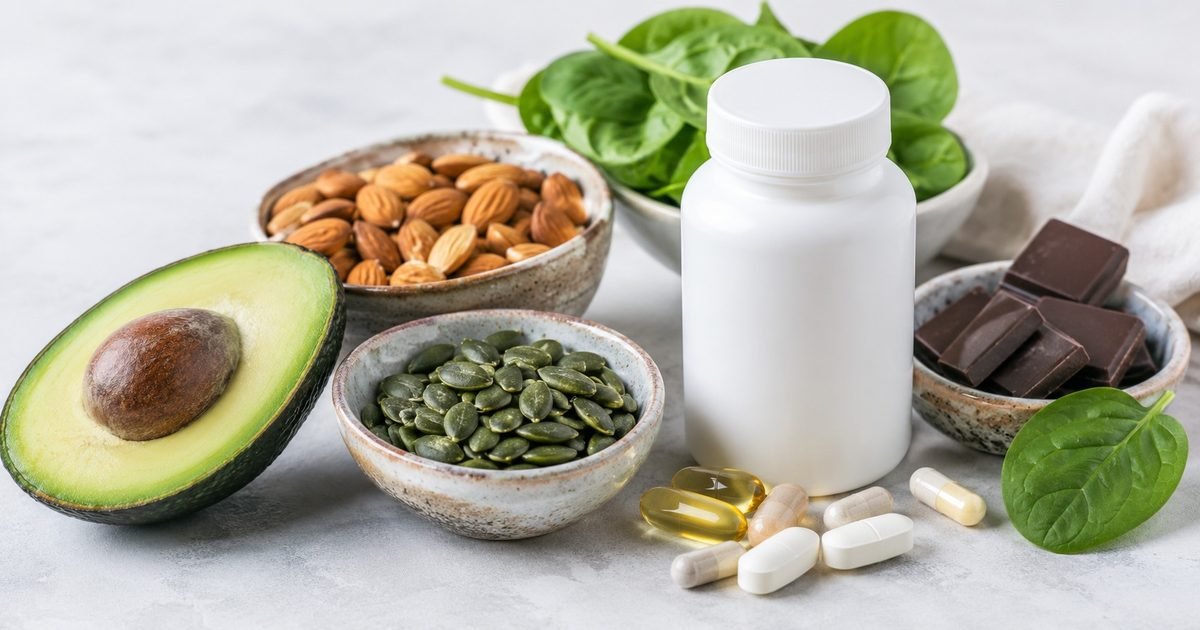
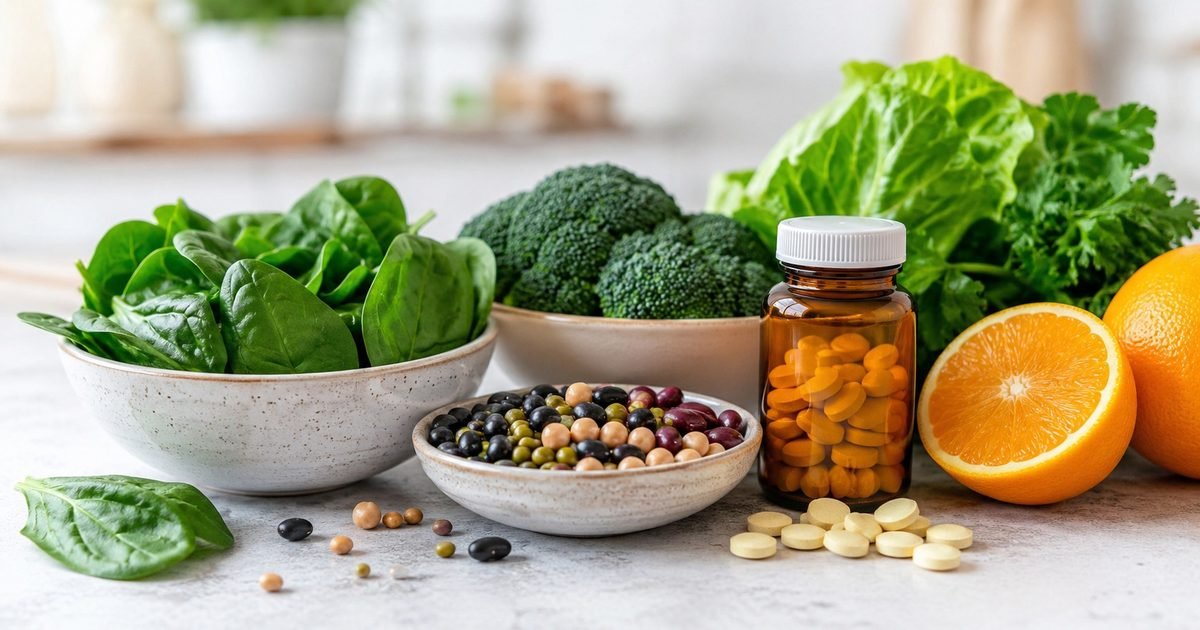
- Dark leafy greens such as spinach, kale and rocket. The name folate itself comes from the Latin for leaf.
- Legumes including lentils, chickpeas and beans.
- Citrus fruit and other fruits.
- Asparagus, broccoli and avocado.
- Liver, which is rich in folate but, because it is also high in preformed vitamin A, is one to limit or avoid in pregnancy.
Folate in food is fragile. Heat, light and water break it down, so prolonged boiling tips much of it into the cooking water. Steaming, quick cooking and eating some raw greens preserve far more.
Reading folate on a label
Two details repay a closer look. First, many labels now use Dietary Folate Equivalents, a unit that lets food folate and folic acid sit on one comparable scale, since folic acid absorbs more efficiently gram for gram. Second, the panel will name the form, whether folic acid, folate or methylfolate, and each is a valid choice for general use. Watch the running total too, because a fortified breakfast cereal plus a supplement can push folic acid higher than you intend.
A point worth raising with a professional
Two issues belong in a conversation with a doctor rather than a guess at the shelf. High folic acid can mask the blood signs of a vitamin B12 deficiency while nerve damage quietly advances, which is why a doctor may check B12 alongside folate, especially in older adults and people on plant heavy diets. Separately, a great deal of online marketing pushes methylfolate at people who carry a common gene variant. For most people the standard forms work perfectly well, so treat strong claims that you must buy the pricier form with healthy scepticism and ask a professional if you are unsure.
How much folate you need
Adults need a steady daily amount that a diet rich in greens, legumes and fruit can supply, with the figure rising for specific groups. Women who could become pregnant are advised to aim higher and to use a supplement, because food alone rarely reaches the recommended preconception amount reliably, and the timing is too important to leave to chance. Needs stay elevated through pregnancy and breastfeeding. The exact numbers differ between countries, but the pattern holds everywhere: ordinary adults can lean on food, while pregnancy planning calls for a deliberate, measured supplement. Reading the amount in Dietary Folate Equivalents lets you compare a leafy salad and a supplement on the same scale, since the synthetic form absorbs more efficiently than the folate locked inside food.
Folate beyond pregnancy
Pregnancy dominates the conversation, but folate matters across life. It helps the body process homocysteine, an amino acid that climbs when folate, B6 or B12 run low, and researchers have studied that link in relation to heart and brain health, though lowering it with supplements has not delivered the clear benefits people once hoped for. Folate also supports normal red blood cell production at every age, so a long term shortfall can leave anyone tired and run down. Older adults and people on plant heavy diets are worth a second look, partly because of the close relationship between folate and B12. The sensible message is steady adequacy from food for most people, with targeted help where a clear need exists.
Frequently asked questions
Are folate and folic acid the same thing?
They are the same vitamin in different forms. Folate occurs naturally in food, while folic acid is the synthetic form used in supplements and fortified foods. The body can use both.
When should I start taking folic acid if I want to get pregnant?
Health authorities generally advise starting before conception and continuing through the early weeks, because the neural tube closes very early. Anyone who might become pregnant is often advised to take it in advance, but confirm the dose with your own doctor or midwife.
Do I need the more expensive methylfolate?
For most people, standard folic acid works well and absorbs efficiently. Methylfolate is an active form some prefer, but the practical advantage is modest for the general population, so it is rarely a necessity.
Can I get enough folate from food alone?
A diet rich in leafy greens, legumes and fruit supplies a lot of folate. Around pregnancy, though, the recommended amounts are high and the timing is critical, so a supplement is usually advised rather than relying on food alone.
Can you take too much folic acid?
Very high intakes are best avoided, partly because folic acid can hide the signs of a B12 deficiency. Stick to recommended amounts unless a doctor advises otherwise, and count fortified foods in your total.
Related reading
- Vitamin B12: Forms, Food Sources and Label Terms
- Choosing Supplements During Pregnancy or Breastfeeding
- Vitamin C: Roles, Sources and Supplement Labels
Sources and further reading
Folate needs in pregnancy are specific and time sensitive. This article is general education, so anyone planning a pregnancy or already pregnant should follow advice from their own doctor or midwife.

Adreama Biotech
The Adreama Biotech editorial team prepares clear product and nutrition education using supplied labels, authoritative public health sources and a safety first review process.
View all articles