Vitamin K2 helps steer calcium toward where it belongs, the bones, and away from where it does not, the artery walls. It is the lesser known cousin of vitamin K1, and most consumer interest centres on a form called MK7, which stays active in the body far longer than other versions. The science is promising rather than settled, so reading these labels well means separating what is established from what is still hopeful marketing.
K1 and K2 are not interchangeable
Vitamin K comes in two main families with overlapping but distinct jobs. K1, found mainly in leafy greens, is the form most involved in blood clotting, which is its classic and best established role. K2 plays a larger part in activating proteins that direct calcium into bone and keep it out of soft tissue such as arteries. The body converts a little K1 into K2, but not a great deal, which is why dietary K2 and the supplements have drawn attention in their own right rather than being treated as the same nutrient.
The forms on a label
- MK7: a long acting K2 derived from fermentation, the form most supplements feature because it stays in the blood longer and needs only a small daily dose.
- MK4: a shorter acting K2 usually given at higher doses.
- K1 (phylloquinone): the clotting form, abundant in greens and rarely something people lack.
Many products now combine vitamin D with K2, on the logic that D raises calcium absorption while K2 helps direct where that calcium goes. The pairing is reasonable, though the proof that adding K2 changes long term outcomes is still developing.
Food sources
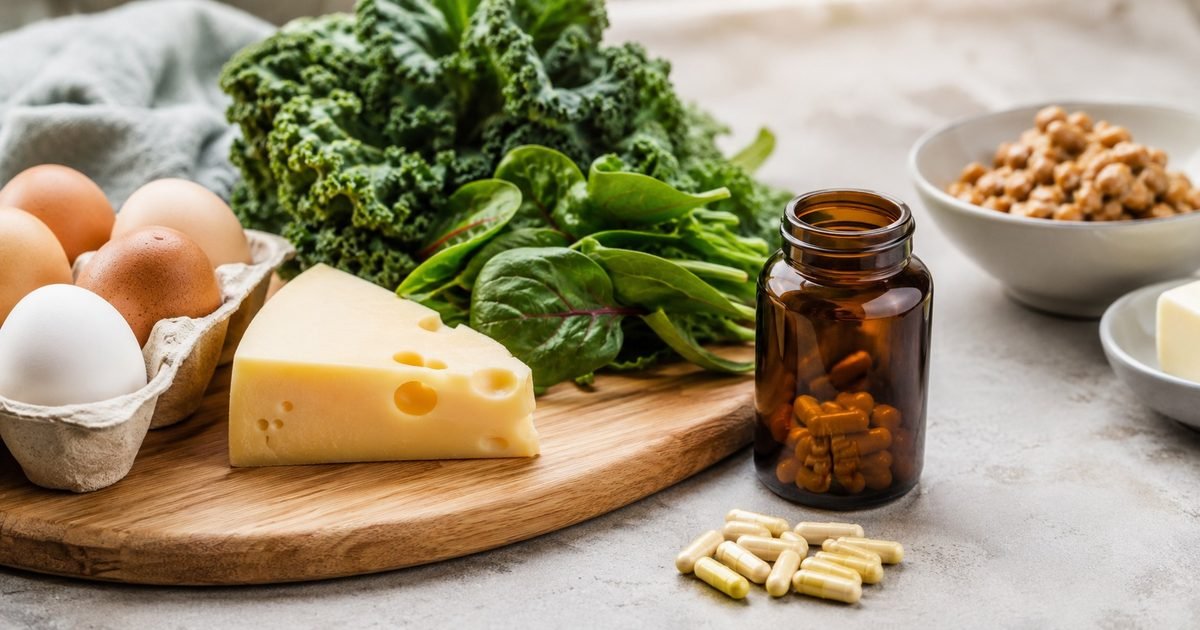
K2 is less widespread in food than K1. By far the richest source is natto, a sticky fermented soybean dish popular in Japan, which contains far more than anything else. Beyond that, hard and soft cheeses, egg yolks, and some other fermented and animal foods contribute smaller amounts. Many diets supply only modest K2, which is part of why supplements appeared and why people in cultures that eat natto regularly tend to have much higher intakes.
The interaction you must not ignore
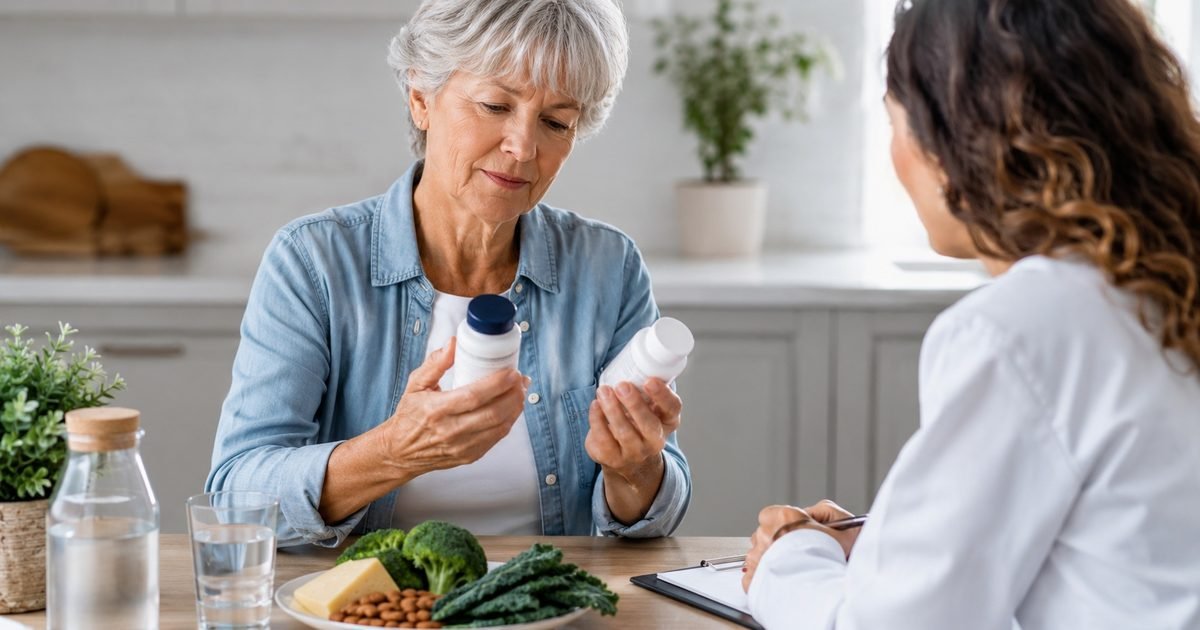
This is the single most important point on the page. Vitamin K, by its nature, affects blood clotting, so it interacts directly with warfarin and similar anticoagulant medicines, which work by interfering with vitamin K. If you take a blood thinner of this kind, do not start a vitamin K supplement, or sharply change how much vitamin K rich food you eat, without talking to the doctor who manages that medicine. The aim with these medicines is a steady, consistent vitamin K intake, because sudden swings can make the medicine too strong or too weak, with serious consequences either way. Newer anticoagulants work differently, but the rule of checking first still stands.
What the evidence does and does not show
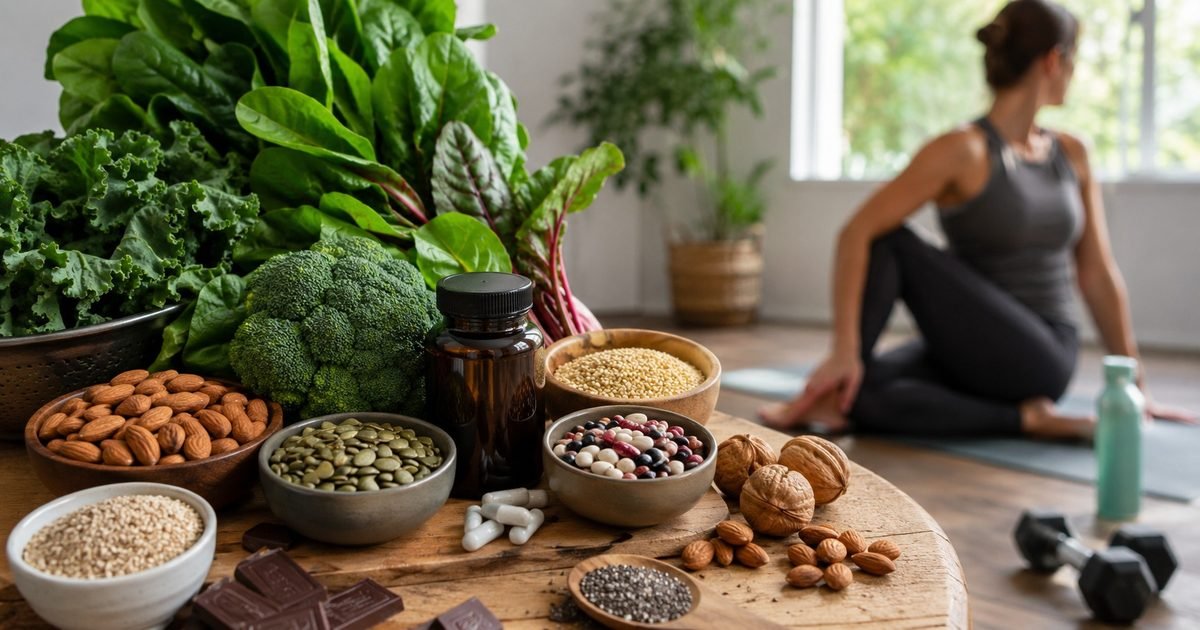
K2 sits in an active area of research. The biological logic, directing calcium into bone and away from arteries, is sound, and some studies in specific groups are encouraging. The leap from that to confident promises of stronger bones and cleaner arteries for everyone, though, runs ahead of the proof. Treat strong marketing claims with caution, keep food as your foundation, and view a K2 supplement as a reasonable option for some people rather than a proven essential for all.
Who might consider it
People with low dietary K2 who are already focused on bone health, and those taking vitamin D who want the often paired K2, are the usual candidates, ideally after a conversation with a professional. Anyone on a vitamin K sensitive blood thinner is firmly not a casual candidate. For most well nourished people, a varied diet and the established bone basics matter more than adding this particular supplement.
How much vitamin K you need, and why deficiency is rare
Most people get enough total vitamin K without trying, largely from the K1 in leafy greens, so outright deficiency is uncommon in healthy adults eating a normal diet. Newborn babies are a special case and are often given vitamin K because they start life with very low stores, but that is a managed medical step rather than a supplement decision for the general public. The interest in K2 specifically is less about correcting a classic deficiency and more about whether higher intakes help direct calcium in useful ways over the long term. That distinction matters: you are rarely buying K2 to fix a shortage, and more often buying it on a promising but unproven theory, which is worth being clear eyed about before you spend.
The vitamin D and K2 pairing explained
Combined vitamin D and K2 products have become popular, and the reasoning is easy to follow. Vitamin D raises how much calcium you absorb from the gut, and the theory holds that K2 then helps guide that extra calcium into bone rather than into soft tissue such as artery walls. On paper the two complement each other neatly. The honest caveat is that, while the logic is sound and early research is encouraging, large long term trials proving that adding K2 to vitamin D changes real outcomes for most people are still lacking. If you already take vitamin D and want to add K2 on this logic, it is a reasonable low risk choice for most people, but keep your expectations measured and check first if you take a blood thinner.
Frequently asked questions
What is the difference between vitamin K1 and K2?
K1, from leafy greens, is mainly involved in blood clotting. K2 plays a larger role in directing calcium into bone and away from arteries. The body converts only a little K1 into K2.
What is MK7?
MK7 is a long acting form of vitamin K2, usually made by fermentation, that stays active in the body longer than other forms, so it needs only a small daily dose. It is the form in most K2 supplements.
Can I take vitamin K2 with blood thinners?
Not without medical advice. Vitamin K interacts with anticoagulants such as warfarin, and changing your intake can make the medicine too strong or too weak. Always speak to the doctor who manages it first.
Do I need a vitamin K2 supplement?
Most well nourished people get enough vitamin K overall, and the evidence for routine K2 supplements is still developing. It may suit some people focused on bone health, ideally after professional advice.
What foods are highest in vitamin K2?
Natto, a fermented soybean dish, is by far the richest source. Cheeses, egg yolks and some fermented and animal foods provide smaller amounts.
Is vitamin K2 the same as the vitamin K in leafy greens?
No. Leafy greens mainly supply K1, which is most involved in clotting. K2 is a different family, found in fermented foods and some animal products, with a larger role in directing calcium. The body converts only a little K1 into K2.
Should I take vitamin K2 with vitamin D?
Many products combine them on the logic that D raises calcium absorption while K2 helps direct where it goes. It is a reasonable low risk pairing for most people, though the long term proof is still developing, and anyone on a blood thinner should check first.
Related reading
- Vitamin D3 and Calcium: Why Labels Pair Them
- Building a Bone Health Routine Beyond Supplements
- Questions to Ask Before Choosing a Bone Health Supplement
Sources and further reading
Vitamin K interacts strongly with anticoagulant medicines. This article is general information only. Anyone on a blood thinner should treat any vitamin K change as a medical decision.

Adreama Biotech
The Adreama Biotech editorial team prepares clear product and nutrition education using supplied labels, authoritative public health sources and a safety first review process.
View all articles