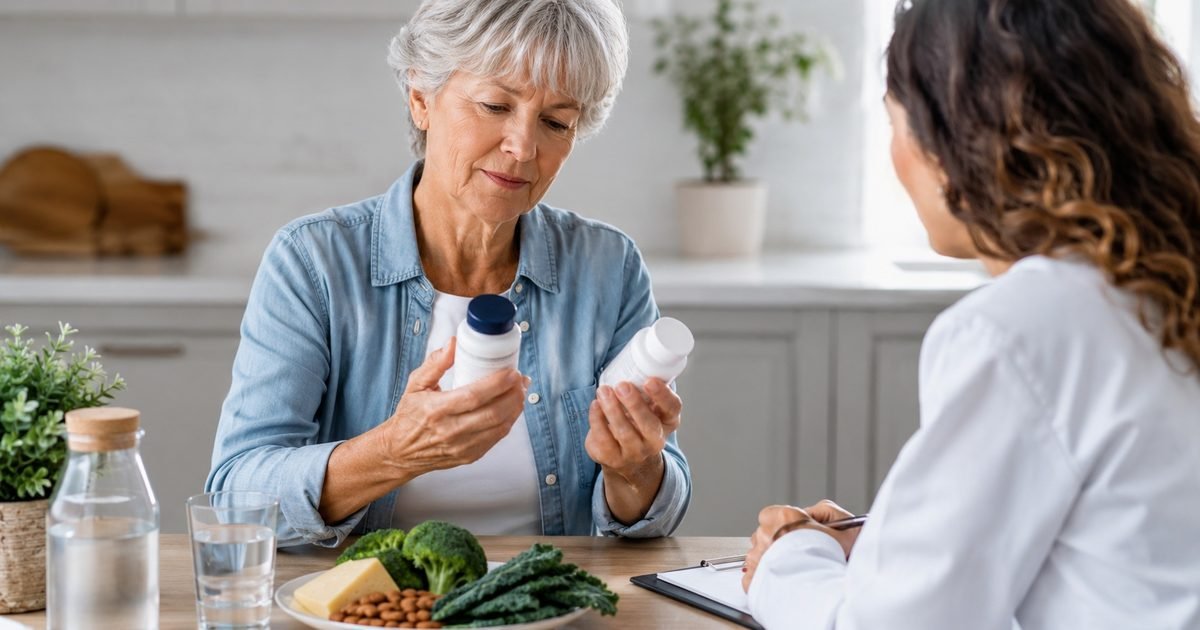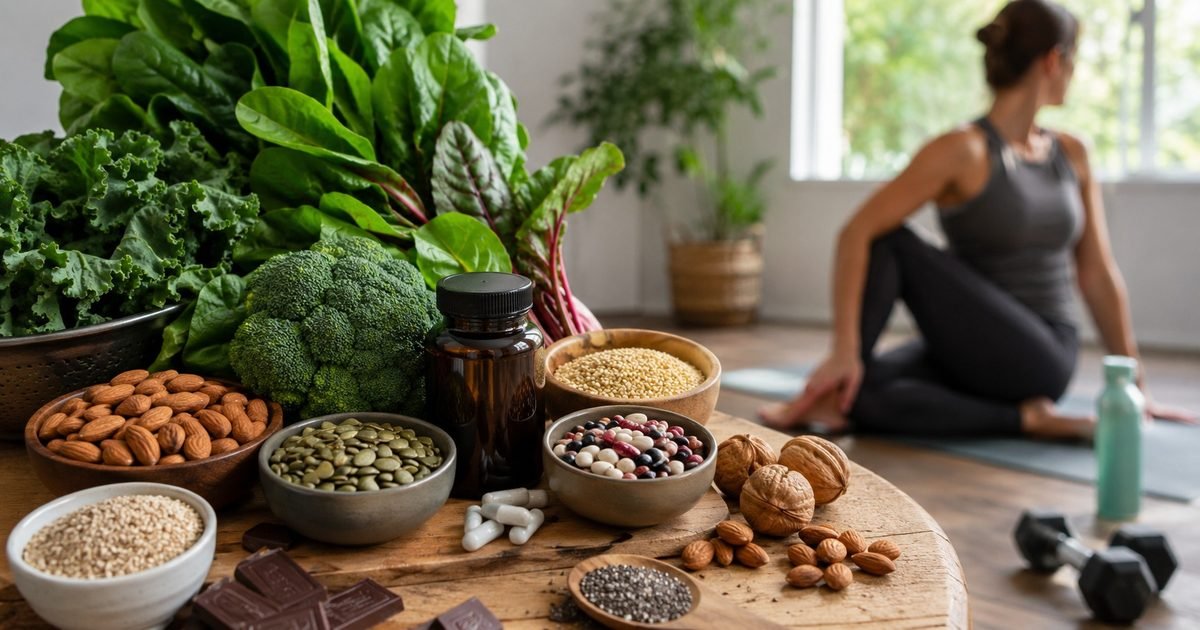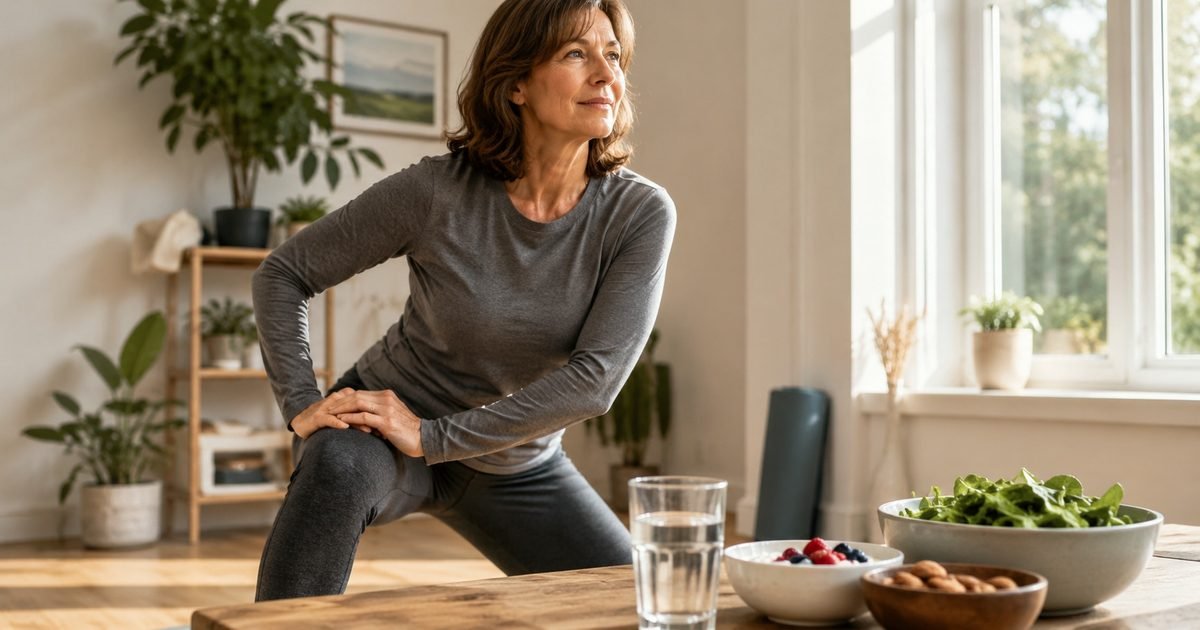
Supplements form only one part of bone health, and on their own they cannot carry the load. Weight bearing movement, enough protein, vitamin D, vitamin K, magnesium and not smoking all shape bone strength alongside calcium. Treating a calcium pill as the whole answer misses most of what actually builds and keeps bone strong, and it is the cheaper, more powerful levers that people most often ignore.
Movement tells bone to stay strong
Bone is living tissue that responds to the demands placed on it. When you load it, it maintains or builds density, and when you do not, it slowly gives that density up. This is why weight bearing and resistance exercise matter so much.
- Weight bearing activity such as walking, jogging, dancing and stair climbing makes the skeleton carry your body against gravity.
- Resistance training with weights or bands pulls on bone through muscle and is especially effective.
- Swimming and cycling are excellent for fitness but place little load on bone, so they do less for density on their own.
For most people, strength training a couple of times a week does more for bone than reaching for another supplement.
The nutrients that work as a team
No single nutrient builds bone alone. Calcium is the headline raw material, best from food where possible. Vitamin D lets the gut absorb that calcium. Protein forms part of the bone framework itself and is often underrated. Magnesium and vitamin K support how the body handles and directs calcium. Falling short on any of these can undercut the others, which is why a broad, balanced diet beats fixating on calcium alone.
Protein deserves special mention
People often picture bone as pure mineral, but a large part of it is a protein scaffold that the mineral sits on. Many older adults eat too little protein, which works against both bone and the muscle that supports and protects it. Spreading good protein across meals helps maintain both.
Habits that quietly weaken bone
Some of the strongest influences on bone cost nothing to change. Smoking, heavy drinking and very low body weight all undermine bone over time, and a diet thin on protein and produce does the same. In women, the fall in oestrogen after menopause speeds bone loss, which is why this stage deserves particular attention. Addressing these factors often matters more than any product on the shelf, and none of them carries a price tag.
Balance and preventing falls
For older adults especially, a large share of serious fractures begins with a fall, so protecting bone is only half the job. Activities that build balance, coordination and leg strength, such as tai chi, yoga or simple standing exercises, lower the risk of falling in the first place. Making the home safer, by improving lighting and removing trip hazards, adds protection that no capsule can match.
Where supplements fit
None of this means supplements are useless. Used well, they close a specific, identified gap. If your diet genuinely lacks calcium, or your vitamin D is low, especially in winter, a targeted supplement helps. The mistake is reaching for the bottle while skipping the movement, the protein and the lifestyle changes that do the heavy lifting. Treat supplements as support for a foundation built elsewhere.
When to seek assessment
Anyone with risk factors, such as a family history of osteoporosis, early menopause, long term steroid use, or a fracture from a minor fall, should ask a doctor about bone health rather than self managing. A bone density scan and a proper assessment can guide whether medication, beyond diet and exercise, is needed, which is a decision only a professional can make with you.
How bone changes across your life
Bone is not fixed. You build most of your lifetime bone mass in childhood and the teenage years, reaching a peak in early adulthood. Through the middle decades, the goal shifts to holding steady. Later in life, bone loss tends to outpace bone building, and in women it accelerates sharply for several years after menopause as oestrogen falls. Understanding this curve changes where you put your effort. The young should focus on building the reserve through good nutrition and active play and sport. Adults should protect what they have. Older people, especially postmenopausal women, should pay close attention to both nutrition and fall prevention, because they are working against a faster decline.
A simple weekly bone routine
You do not need a complicated programme to protect bone. A realistic weekly pattern brings the pieces together.
- Move with load most days, mixing brisk walking or similar with two sessions of resistance training.
- Add a balance element, such as a short tai chi or standing balance practice, to cut fall risk.
- Eat protein at each meal and include calcium rich foods daily.
- Get sensible sun and consider a vitamin D supplement in the darker months.
- Skip the smoking and keep alcohol moderate.
None of this is dramatic, and that is the point. The unglamorous basics, done consistently, protect bone better than any single product.
Frequently asked questions
What is the best exercise for bone health?
Weight bearing activity such as walking, jogging and stair climbing, plus resistance training with weights or bands, does the most for bone. Swimming and cycling help fitness but load bone less.
Is calcium enough to keep bones strong?
No. Calcium is important, but bone also depends on vitamin D, protein, magnesium, vitamin K, weight bearing exercise and avoiding smoking and heavy drinking. A pill cannot replace the rest.
Does protein help or harm bones?
Adequate protein supports bone, since a protein scaffold forms part of bone itself, and it also maintains the muscle that protects against falls. Many older adults benefit from eating more, not less.
How can I reduce my risk of fractures as I age?
Protect bone with diet and exercise, and reduce falls by building balance and leg strength and making your home safer. Both halves matter, since many fractures start with a fall.
When should I get a bone density scan?
If you have risk factors such as a family history of osteoporosis, early menopause, long term steroid use, or a fracture from a minor fall, ask your doctor whether a scan and assessment are appropriate.
Can I rebuild bone density once it has dropped?
You can often slow loss and make modest gains with weight bearing and resistance exercise, good nutrition and, where a doctor advises, medication. The earlier you act the better, but it is rarely too late to protect what you have.
Does walking count as weight bearing exercise?
Yes, walking is weight bearing because your skeleton carries your body against gravity. Adding some higher impact movement and resistance training gives bone a stronger signal, but regular walking is a solid foundation.
Related reading
- Magnesium and Bone Health: The Bigger Picture
- How Age Changes Calcium and Vitamin D Needs
- Questions to Ask Before Choosing a Bone Health Supplement
Sources and further reading
Bone health needs differ with age, menopause and medical history. This is general education. Anyone worried about bone density should ask their doctor about assessment rather than self managing with supplements.

Adreama Biotech
The Adreama Biotech editorial team prepares clear product and nutrition education using supplied labels, authoritative public health sources and a safety first review process.
View all articles